Jammed broadcasts to blocked website: BBC Russian's 80 years of defiance
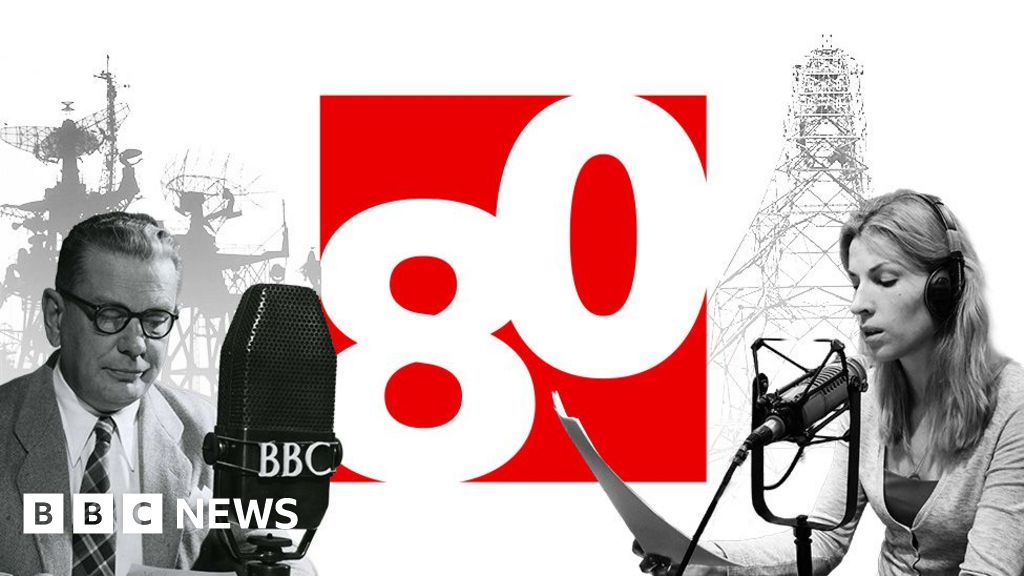
The Kremlin is tightening its grip over what Russians can do and see online, making it harder for outlets like the BBC to reach their audiences. For the past 80 years BBC Russian has sought to bypass those restrictions, which for decades featured jamming of its short-wave radio broadcasts and now involve blocking its website. The latest restrictions in Russia have included widespread mobile internet outages and a reported plan to block the Telegram news and messaging app. On 24 March 1946, the BBC started its first regular radio broadcast in the Russian language aiming at giving listeners behind the Iron Curtain in the Soviet Union an alternative to state propaganda and a tightly controlled cultural scene. By 1949, jamming of the signal was already the norm. For almost half the 20th Century, Soviet people had to jump through hoops to listen to foreign broadcasts, and for some it was truly a sport, remembers Natalia Rubinstein, an ex-BBC presenter and former resident of Leningrad, or modern-day St Petersburg. "We really wanted to know what was being hidden from us," she says. Rubinstein remembers how people who were fond of cross-country skiing – a very popular pastime in winter in
Source: For the complete article, please visit the original source link below.