India has splurged billions on metro trains. But where are the commuters?
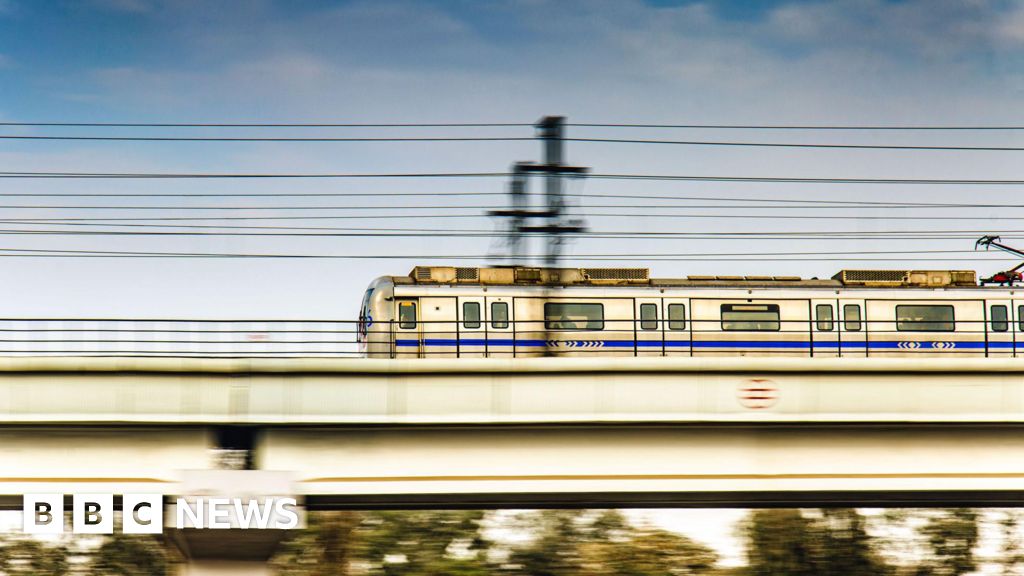
On a weekday evening last month, Mumbai's southbound Aqua Line metro train nearly emptied out a couple of stops before the final one. On de-boarding, the last station bore the look of a desolate Soviet-era structure rather than a bustling train terminal in a city where crowds typically jostle for space. Aqua Line is the city's new fully underground metro train connecting the old business district of Cuffe Parade to newer commercial hubs like BKC and the airport terminals in the northern suburbs. It opened last year. The 33.5km (20.8-mile) corridor was expected to ease congestion in India's financial capital and projected to carry nearly 1.5 million passengers every day. The actual numbers are about a tenth of that, according to various estimates. "Not a lot of people are using the line. It's too expensive," a ticketing executive told the BBC at Cuffe Parade station. The low number of passengers on this corridor is part of a broader trend confronting the breakneck expansion of India's metro network. Since 2014, the Narendra Modi government has splashed out more than $26bn on building metro connectivity across nearly two dozen Indian cities. The network has grown fourfold from under
Source: For the complete article, please visit the original source link below.