Kielder Forest marks the centenary of its first planting
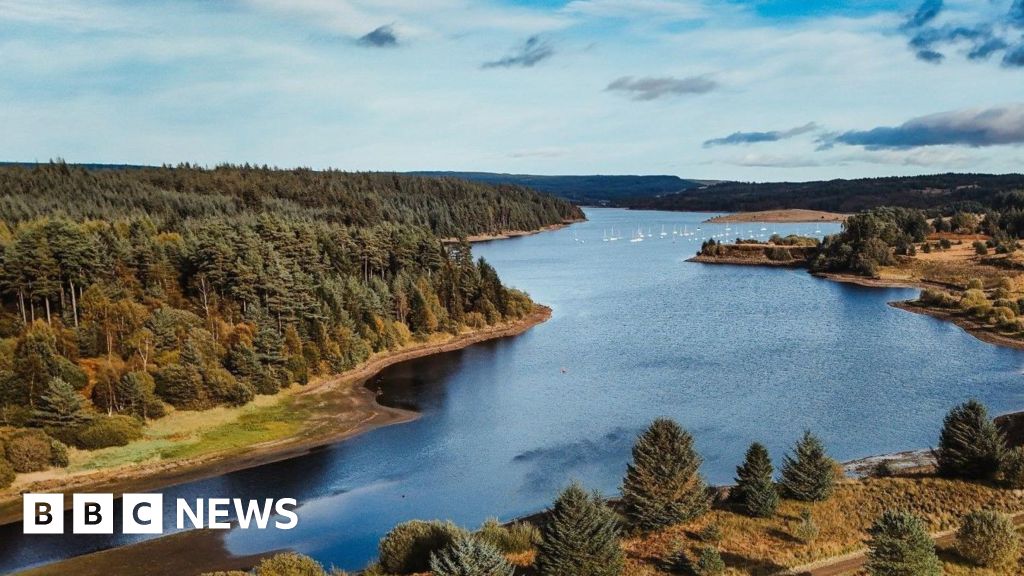
In April 1926, a small area of experimental planting of trees took place in a remote area of northern England. It would lead to the country's biggest forest, which a century later spans 250 sq miles (447 sq km) across Northumberland and Cumbria, with 158 million trees mostly planted by hand. So how did Kielder Forest become what it is today? Forestry England's Alex MacLennan has worked at Kielder for more than 20 years. "It was quite a foreboding place before, not great for farming, the site of lots of feuding, what we know now as the Border Reivers," he said. "An area of low population density, little valleys tucked away, almost hidden really." After the demands of World War One, woodland covered just 5% of Britain and the Forestry Commission was set up in 1919 to change this. Roy Lister Robinson, who would later become Lord Robinson of Kielder, was despatched from London and identified the area of moorland around Kielder Castle as a possible site. After trials, large scale planting began in the 1930s. But it was not until after World War Two in 1948 that the first mature trees were felled. Ian Fraser's grandfather Jack Anderson was there from the beginning. Employed from 1926 at
Source: For the complete article, please visit the original source link below.