Why Noninvasive Blood Glucose Monitoring Is Still the Holy Grail of Wearables
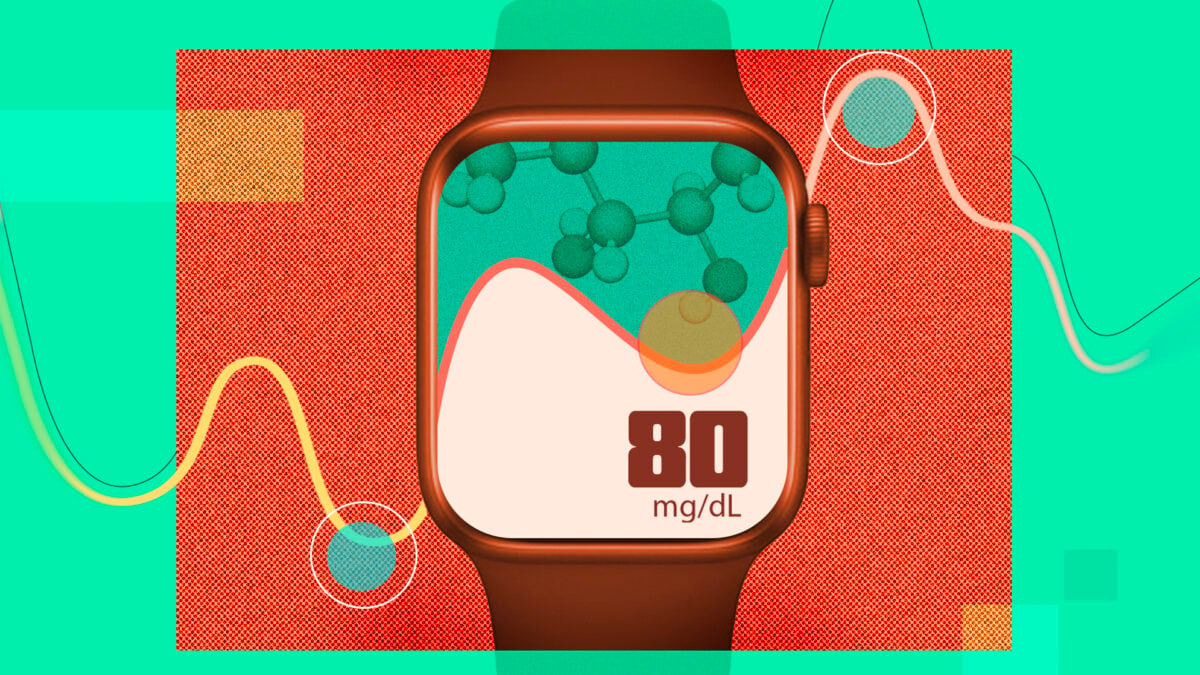
At the start of 2014, Google announced an initiative that, if successful, seemed destined to position Silicon Valley as a major force in the healthcare space. In a blog post, the company disclosed that it had begun developing a smart contact lens prototype that could measure glucose levels in tears via a miniaturized sensor nestled inside its layers. The prototypes could reportedly generate a reading once every second. If the technology had proved successful, it would have done two big things. First, it would have been a game-changer for the roughly 830 million people living with diabetes worldwide, as it would have provided a far easier means for frequent glucose monitoring, which is tied to better long-term health outcomes. But it would have also been a breakthrough for consumer wearables. A successful smart lens would have proven that a major tech company could solve a core biomedical problem and would have allowed Google to compete with traditional medical-device companies and make it a legitimate player within the healthcare space. Despite the fanfare and anticipation surrounding the announcement, just two years into the venture, reporting, including a 2016 STAT investigation,
Source: For the complete article, please visit the original source link below.