âLike relying on a drug dealer:â the worldâs dependence on oil and gas has exposed a dangerous vulnerability | CNN

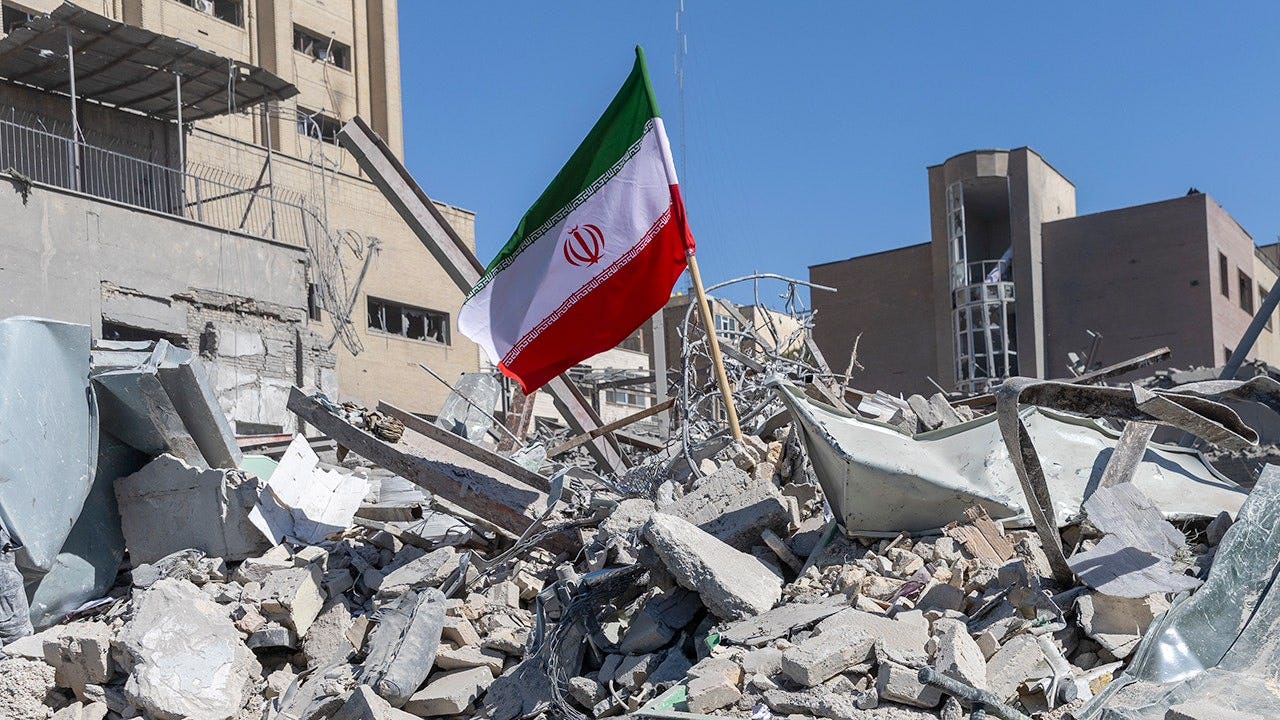
The Iranian blockade of the Strait of Hormuz has shown how easy it is to for one country to turn geography into a ferocious weapon with devastating global impacts. It also reveals a truth about the dangers of a fossil fuel-powered global energy system: Itâs heavily reliant on a handful of narrow maritime chokepoints, all in volatile regions. The Strait is a narrow passage of deep, dark-blue water that tracks along Iranâs arid, mountainous southern coastline and transports round a fifth of worldâs oil and gas. The impacts of its effective closure have unfolded swiftly, sending energy prices soaring and shockwaves through the global economy. Itâs led to fuel shortages and rationing and fears of a global recession. But if the global energy system were powered primarily by wind, solar and batteries, rather than oil and gas, would a similar war trigger the same levels of disruption? Experts say thereâs a key difference between the two: Fossil fuels depend on continuous shipments of oil and gas; any disruption cuts off energy supply immediately. In contrast, clean energy supply chains are centered on the transportation of equipment â not the energy itself. Relying on imported
Source: For the complete article, please visit the original source link below.