Wild Experiment Suggests Lasers and Graphene Could Propel Future Spacecraft
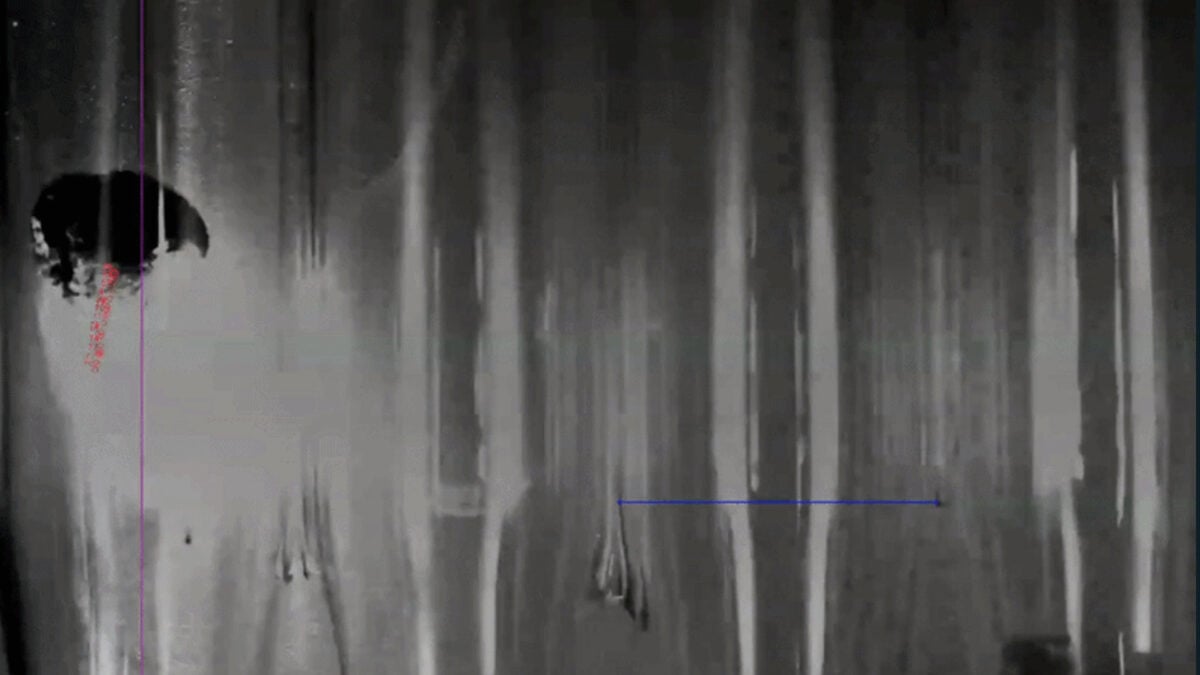
An experiment on board a parabolic flight showed promising results suggesting that graphene, a thin sheet of carbon atoms, could be used to steer solar sails and adjust the position of satellites in space. The European Space Agency (ESA) carried out a test of the innovative material in zero gravity to find out how it would perform in outer space. An international team of researchers boarded ESA’s parabolic flight in May 2025, which simulates space travel through short periods of weightlessness. The researchers packed graphene aerogels, a 3D material made of graphene sheets, and then hit them with a continuous beam of laser light during zero-gravity phases. The three small cubes made of graphene aerogels shot forward immediately, displaying their ability to be propelled by light. “The reaction was fast and furious,” Marco Braibanti, ESA’s project scientist for the experiment, said in a statement. “Before you could even begin to blink, the graphene aerogels experienced large accelerations. It was all over in 30 milliseconds.” The results, published in Advanced Science, could unlock the potential for propellant-free propulsion for future space missions. Graphene, a human-made, two-dim
Source: For the complete article, please visit the original source link below.