US plan for $1.6m hepatitis B vaccine study in Africa called ‘highly unethical’
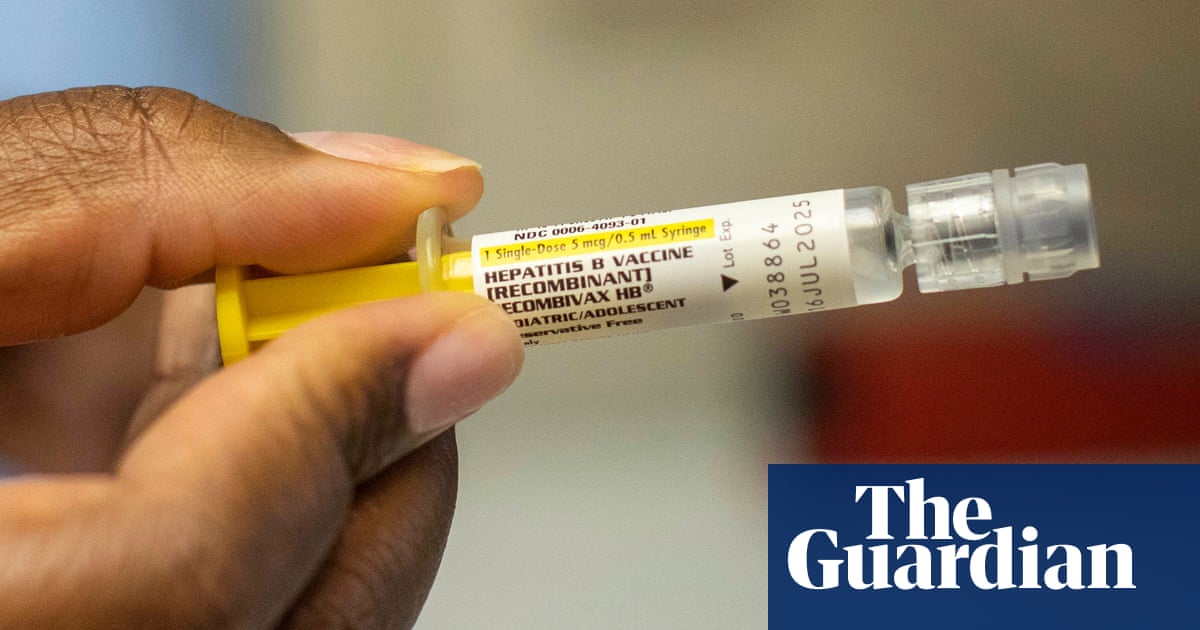
The article discusses a controversial $1.6 million US plan to study hepatitis B vaccination of newborns in Guinea-Bissau, West Africa. Experts have criticized the plan as "highly unethical" and "extremely risky," describing it as a "neocolonialist" move. The plan comes after the Trump administration changed the US Centers for Disease Control and Prevention's (CDC) recommendations on hepatitis B vaccines at birth, making them an "individual" decision rather than a routine recommendation. This is part of broader changes to childhood immunizations by the US health secretary, Robert F Kennedy Jr, which could have global repercussions, including cuts to funding for programs that bring vaccines to countries around the world. The article highlights the high prevalence of hepatitis B in Guinea-Bissau, where nearly one in five adults live with the virus, and the concerns raised by researchers about the ethical implications of the proposed study in a country with limited healthcare resources.
Source: For the complete article, please visit the original source link below.