Tiny Robots Reveal Hidden Ocean Chemistry in Low-Oxygen Waters
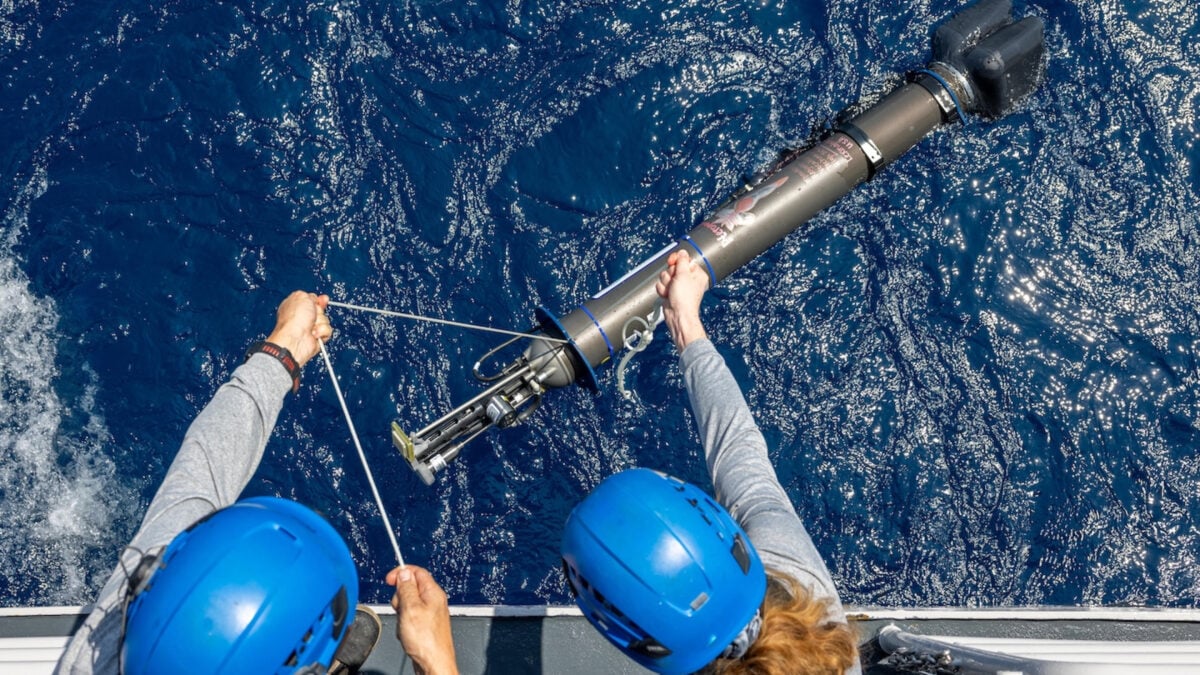
Practically all of the ocean floor remains a mystery to humans, but robotic floats may soon change that shortcoming. In a groundbreaking discovery, a small robotic float brought back data from deep beneath the North Pacific—leading to the discovery of hidden chemicals in the ocean’s most elusive regions. Oxygen minimum zones (OMZs) refer to layers in the ocean’s water column with low oxygen concentrations. For a long time, scientists believed that these areas were generally stagnant with low levels of both oxygen and nitrogen, another element critical to the marine ecosystem. However, a detailed dataset on the chemical profile of OMZs, collected by a robotic float over three years, revealed that things were far more complex—these so-called anomalies also showed a robust, dynamic interplay between organic and inorganic components in the seafloor. The researchers behind the study, a team of marine biologists based in the U.S., published their findings yesterday in Communications Earth & Environment. “This research showed us that nitrogen cycling in parts of the ocean with very little oxygen is far more dynamic than previously thought,” Ken Johnson, the study’s senior author and a res
Source: For the complete article, please visit the original source link below.
