Artists Want to Prove Their Work Was Stolen by AI. A New Study Says That’s Impossible
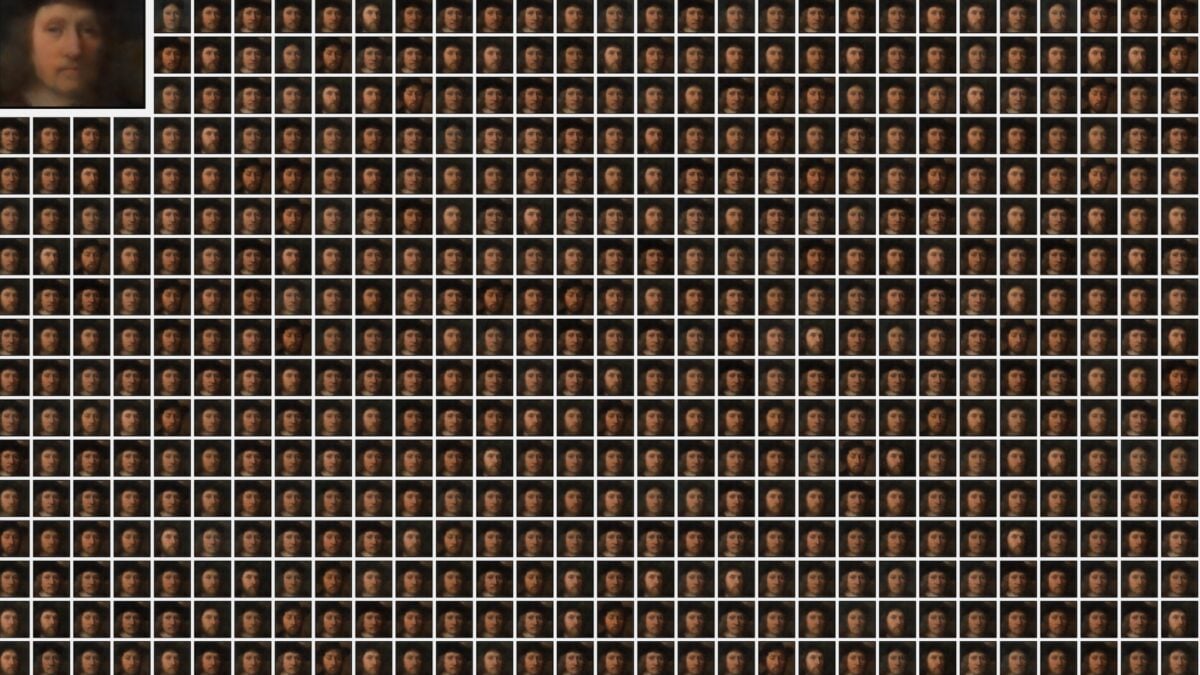
One way to figure out how something works is to take it apart one piece at a time, and see how it changes along the way. That was the approach taken by two AI researchers who wanted to understand how image-generating AI models arrive at their final outputs: Do they reference a particular image, the way a human portrait artist might look at a human subject while painting? Or is there some other process at play? Their results were surprising—and they could have big implications for artists trying to sue AI companies on grounds of intellectual property theft. Published last week in the journal Nature Communications, the study found that in the case of diffusion models—the AI systems powering image-generating tools like Midjourney and Stable Diffusion—it’s impossible to draw a direct, causal link between a particular work of art, human face, or even body of work from a particular human artist, and the images created by the model. The sheer scale of the training dataset obscures its creative process; it’s like an astronaut aboard the International Space Station trying to spot a single tree in the Amazon Rainforest with her naked eye. The models’ outputs are therefore completely “unattri
Source: For the complete article, please visit the original source link below.