Polygraphs have major flaws. Are there better options?
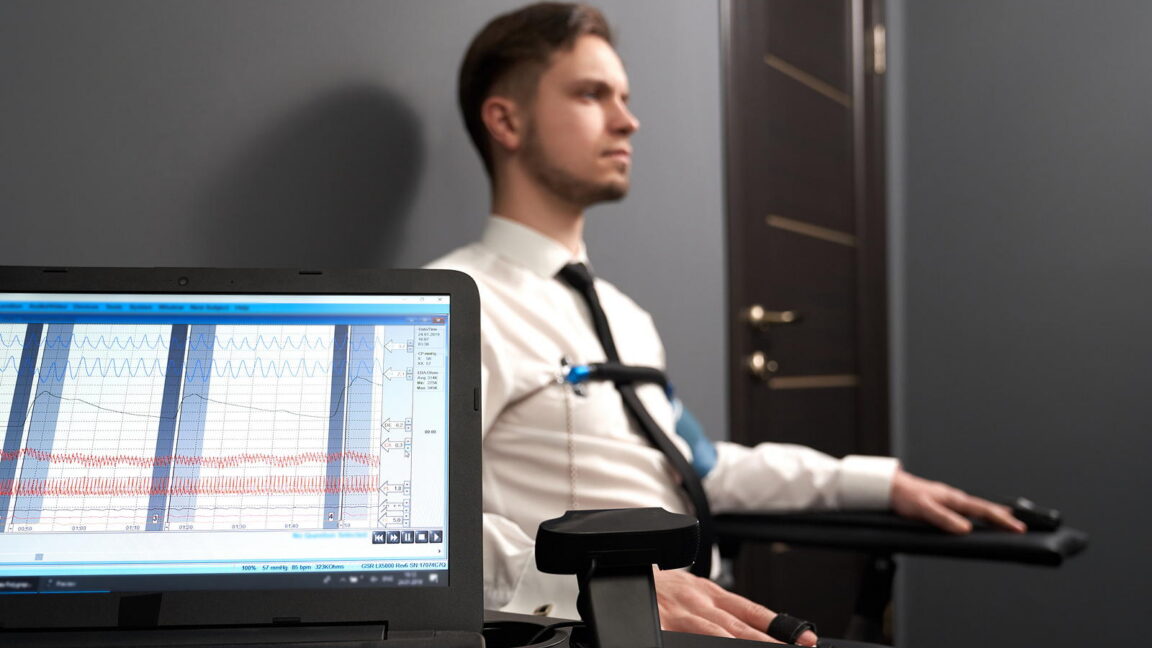
Research proceeds on alternatives, but some doubt whether true lie detection is possible. When George W. Maschke applied to work for the FBI in 1994, he had already held a security clearance for over 11 years. The government had deemed him trustworthy through his career in the Army. But soon, a machine and a man would not come to the same conclusion. His application to be a special agent had passed initial muster. And so, in the spring of 1995, according to his account, he found himself sitting across from an FBI polygraph examiner, answering questions about his life and loyalties. He told the truth, he said in an interview with Undark. But in a blog post on his website, he recalled the examiner told him that the polygraph machine—which measured some of Maschke’s physiological responses—indicated that he was being deceptive about keeping classified information secret, and about his contacts with foreign intelligence agencies. “My entire career prospects were basically shattered,” said Maschke. “How could I have told the truth and failed the polygraph?” He wanted an answer. And so soon after his failed exam, he said he went to the research library to try to learn more about what had
Source: For the complete article, please visit the original source link below.



