Rising Temperatures Are Turning Antarctica Into a ‘Hotspot’ for This Toxic Pollutant
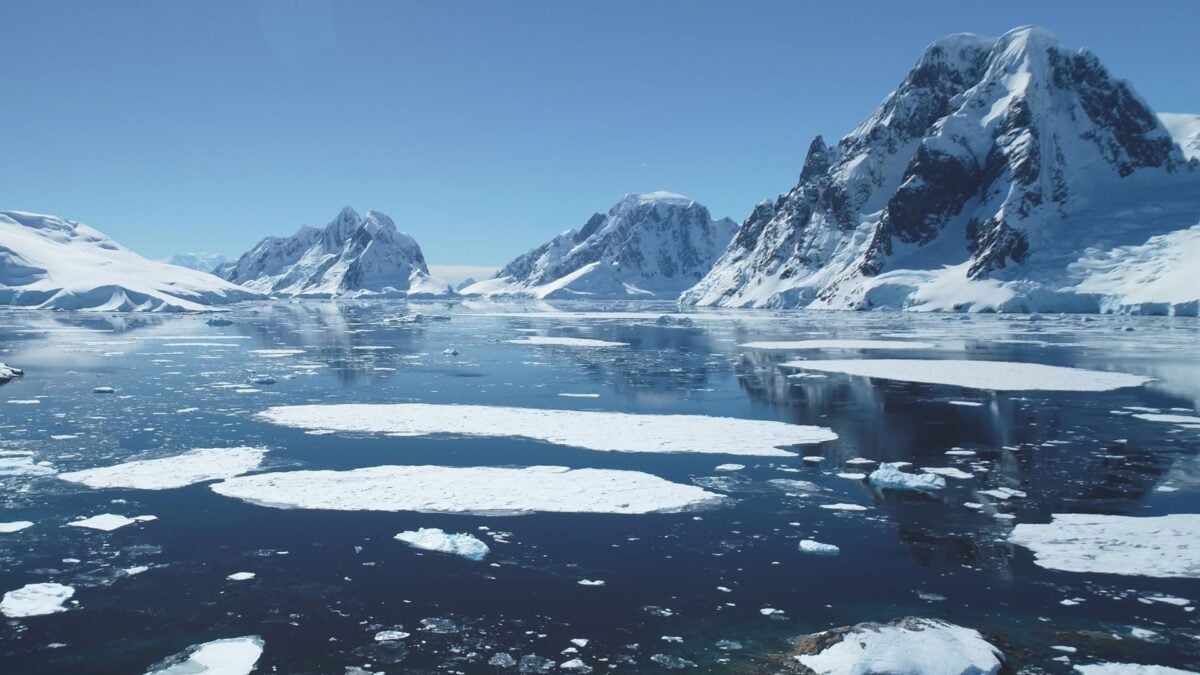
When it comes to hotspots of toxic heavy metal pollution, Antarctica probably doesn’t come to mind. This remote region is nowhere close to any major city or industrial facility, and yet, mercury is accumulating in the seafloor sediments surrounding the Antarctic Peninsula at an alarming rate. That’s according to a study published July 27 in the journal Proceedings of the National Academy of Sciences. The findings suggest that increased anthropogenic mercury emissions and climate change are working together to pump more of this dangerous element into the Southern Ocean than ever before, threatening marine ecology. “The results reveal that polar warming is turning Antarctica‘s cryosphere from a mercury sink into an active secondary pollution source,” the authors write. Mercury is a neurotoxic heavy metal that can damage both human and environmental health. While it can be emitted by natural sources, mercury pollution mainly stems from human activities. Mercury emissions from industrial facilities such as coal plants, waste incinerators, mines, and cement plants travel hundreds of miles through the atmosphere to Earth’s polar regions. Then, they get deposited onto snow, ice, and open
Source: For the complete article, please visit the original source link below.
