Chapal Rani: The man who became one of India’s greatest stage queens
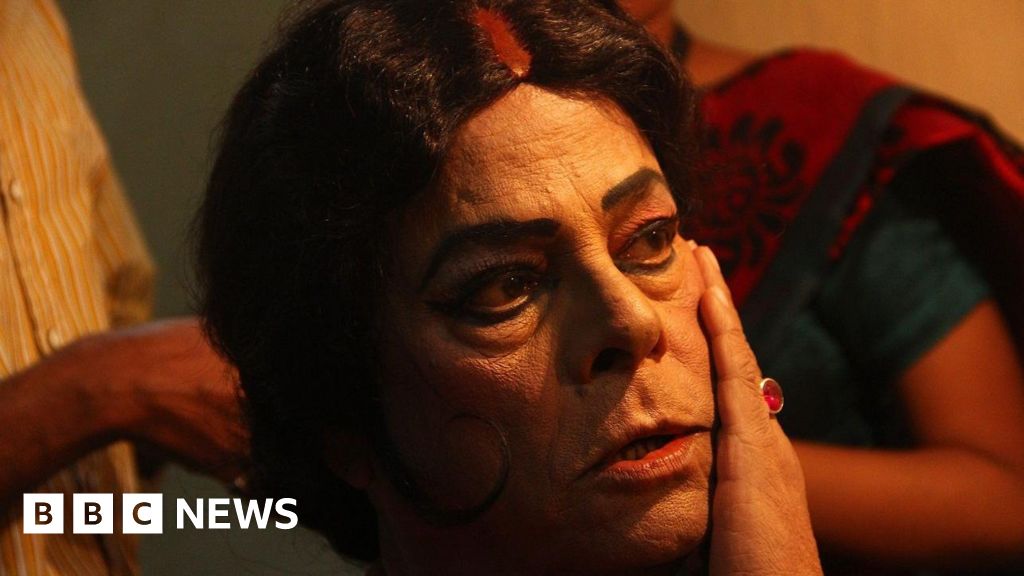
In mid-20th Century Bengal in eastern India, some of the biggest female stars on stage were actually men. Foremost among them was Chapal Bhaduri - better known as Chapal Rani - the reigning "queen" of jatra, a travelling theatre tradition that once drew vast, fervent crowds. Male actors playing female roles were a familiar trope across global theatre, from Europe to Japan and China. In Bengal, the form flourished in jatra - a rural, open-air spectacle of music, myth and melodrama that often rivalled cinema in reach, though not in rewards. Rooted in epic and devotional storytelling, it played out on all-sided stages, driven by heightened voice, gesture and costume. In a new book, Chapal Rani: The Last Queen of Bengal, writer Sandip Roy traces Bhaduri's journey from stardom to obscurity - and, in doing so, captures a vanishing world where gender itself was an act. For decades, female roles in jatra were played by men known as purush ranis, or male queens. But even at its height, the form carried a certain stigma. Colonial-era urban elites in Calcutta, influenced by European tastes, often dismissed jatra as rustic or unsophisticated. A 19th-Century Anglo-Indian journal derided the voi
Source: For the complete article, please visit the original source link below.