General Strike was 'the boil that needed lancing'
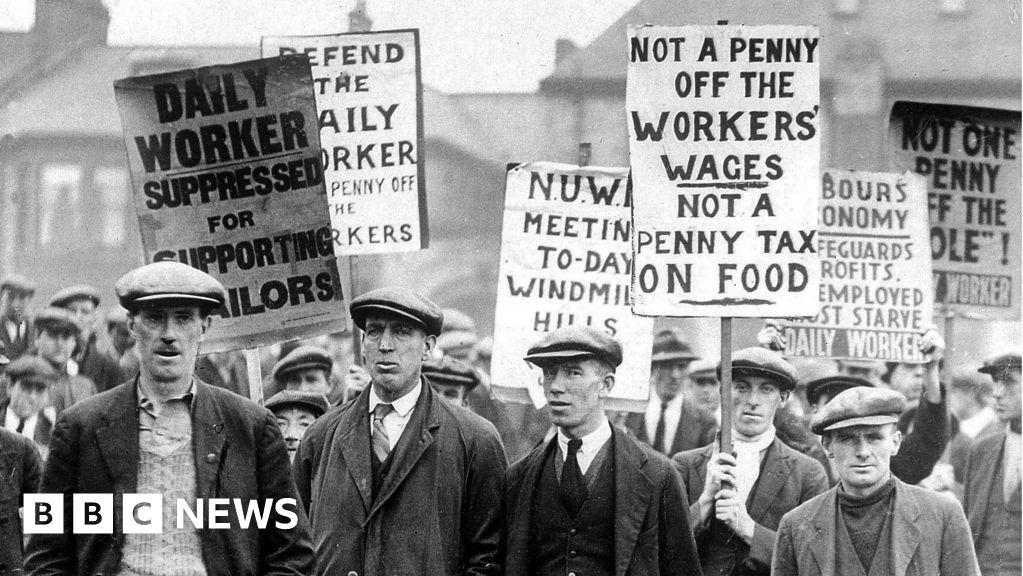
In May 1926, more than two million Britons downed tools and sought to upset the balance of power. On the centenary of the General Strike, historians examine the causes of one of the most tumultuous periods in modern British history and its impact on communities. At one minute to midnight on 3 May, the Trades Union Congress (TUC) triggered what author Jonathan Schneer describes as "the single greatest demonstration of trade union power in British history". It lasted just nine days, but brought Britain to a standstill. One million coal miners had been locked out of their workplaces by powerful pit owners who demanded longer hours for less money. Workers from other sectors joined the strike in sympathy of the miners, including transport and dock employees, as well as those employed in gas and electricity, printing, iron, steel and chemical jobs. Violent clashes occurred in towns and cities across the UK. Schneer, author of Nine Days in May: The General Strike of 1926, published to coincide with the centenary, points out miners and pit owners had long had a fraught relationship. "Practically everyone, including Conservative cabinet ministers, thought the mine owners were greedy and sho
Source: For the complete article, please visit the original source link below.