It's not just oil: Why Iran war also threatens Asia's food security
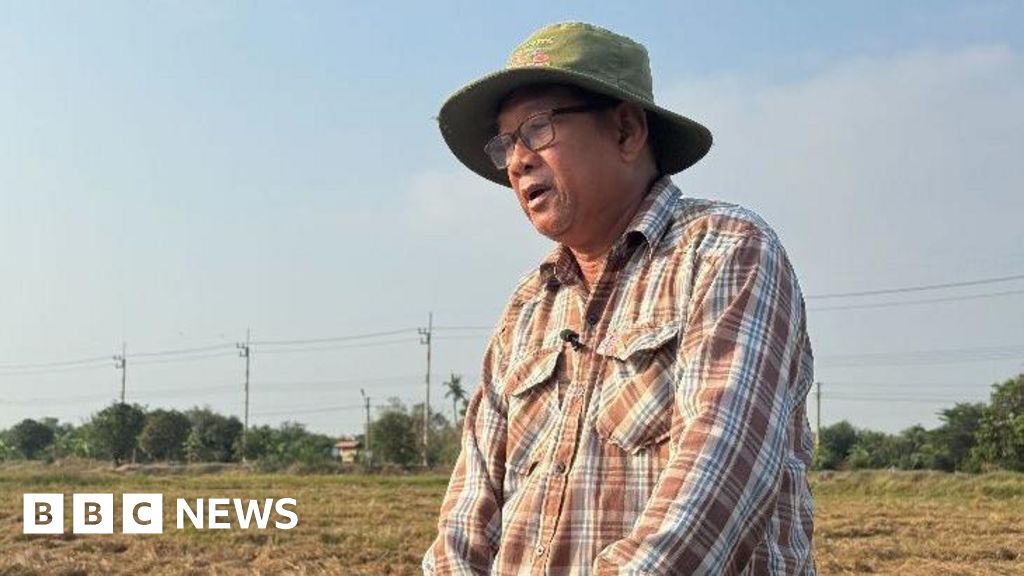
As planting season dawned across South East Asia's rice fields, Suchart Piamsomboon, a 60-year-old farmer from Thailand's Chachoengsao province, went to the local shop for fertilisers. And, he was told, it might not arrive. Even if it did, it would cost over 1,100 baht a sack - a jump from the 800-900 baht it cost just over a month ago. By the time Piamsomboon got home, word was already circulating that prices could even hit 1,200 baht. "I've decided not to do it," he said, when asked whether he would plant this season. "Farming only leads to financial losses. I'd rather work as a day labourer and earn 100 to 200 baht a day just to get by. Expenses don't go down, but income keeps falling." From Thailand's rice belt to Vietnam's Mekong Delta, farmers across Asia are making the same calculation - and arriving at the same grim conclusion. The planting season is here. The fertiliser is not. And the decisions being made in the next few weeks will determine how much the world's rice bowl yields at the end of the year. The proximate cause of this crisis is a war that most of these farmers had little reason to care about before. When the United States and Israel struck Iran on 28 February,
Source: For the complete article, please visit the original source link below.