The Science Behind the Nobel-Winning Technology That Controls Neurons With Light
Optogenetics revolutionized neuroscience, but its origins come from an entirely brainless organism—an alga.
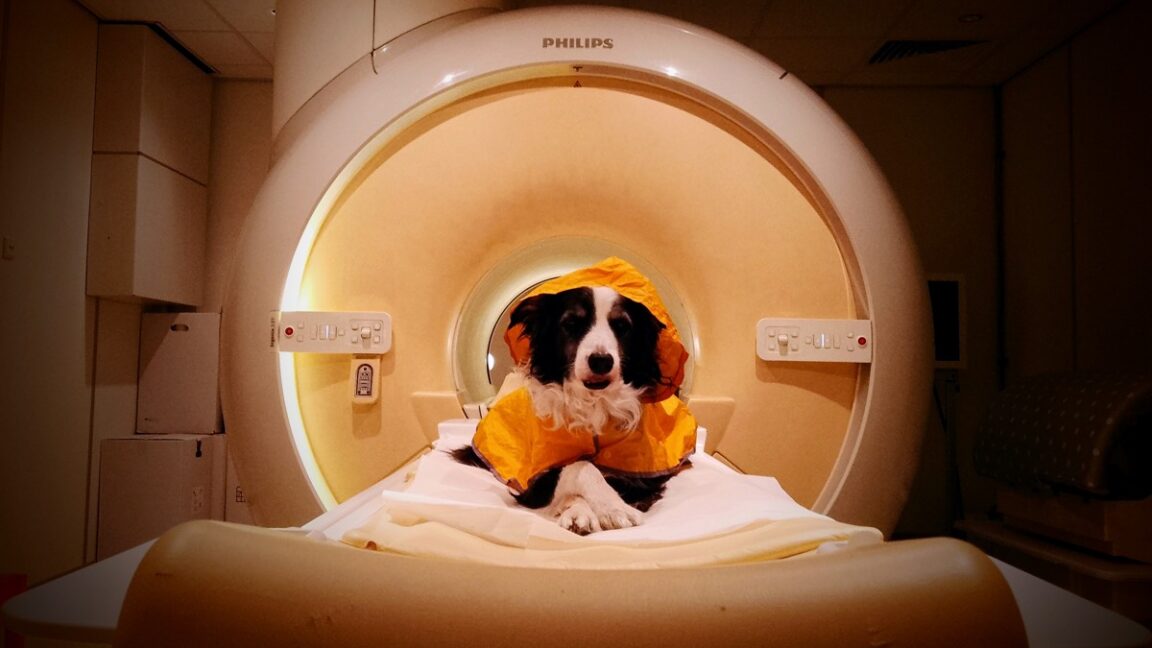
Any dog lover will tell you their canine friend picks up on their mood and emotions. Now scientists have worked out exactly what is going on inside a dog's brain when it sees a human - even a complete stranger - smiling or scowling. Their research involved 14 dogs in total who all sat very still in a brain scanner while they were shown pictures of people's faces. Photographs of happy, smiling human faces made an area of the brain that is associated with reward "light up" with activity. This reward circuitry is the part of the brain that is activated when we enjoy and remember good things, like tasty food or praise. In terms of our own brains, we often refer to it as the "hit" or "high" that is triggered by winning a game or even receiving a positive comment on a social media post. In previous research on dogs, the same brain region has been found to light up when the dogs anticipated a tasty snack, or smelled a familiar person. "It controls us having motivation to do things - wanting to do things," explained Laura Cuaya, one of the study's lead researchers at the University of Vienna. "So this finding suggests that happy faces, even those of strangers have a positive value for dogs
Aug 10, 2026 → Aug 13, 2026
It’s something every dog owner knows — but now we have the science to prove it: Dogs really can tell when we’re happy or sad. Scientists have scanned the brains of dogs to reveal how they process various human expressions, including…
Read original at CNN →2 updates from 2 sources over 3 days.
It’s something every dog owner knows — but now we have the science to prove it: Dogs really can tell when we’re happy or sad. Scientists have scanned the brains of dogs to reveal how they process various human…
Read original at CNN →Any dog lover will tell you their canine friend picks up on their mood and emotions. Now scientists have worked out exactly what is going on inside a dog's brain when it sees a human - even a complete stranger - smiling…
Read original at BBC →What this story stands on. Tier 0 is a primary record or the subject's own words; higher tiers must be attributed, never stated as bare fact.
It’s something every dog owner knows — but now we have the science to prove it: Dogs really can tell when we’re happy or sad. Scientists have scanned the brains of dogs to reveal how they process various human expressions, including…
View source →Any dog lover will tell you their canine friend picks up on their mood and emotions. Now scientists have worked out exactly what is going on inside a dog's brain when it sees a human - even a complete stranger - smiling or scowling. Their…
View source →Tier key: T0 = Primary source · T1 = Wire · T2 = Outlet report · T3 = Commentary
Optogenetics revolutionized neuroscience, but its origins come from an entirely brainless organism—an alga.
US psychiatrist and neurologist Karl Deisseroth and his German colleagues Peter Hegemann and Georg Nagel have been awarded for their work.
fMRI scans show happiness, fear, anger, and sadness have distinct brain activity patterns in doggy brains. Any dog owner would tell you that their canine companions are attuned to…
There is nothing woolly about the sheep awareness training a Kent farmer subjects our dog to It’s another scorching day, maybe the ninth or tenth in a row. Work is impossible – I…
For more than a century, neuroscientists have studied the human brain much as early cartographers mapped unknown lands: piecing together a vast landscape from scattered…
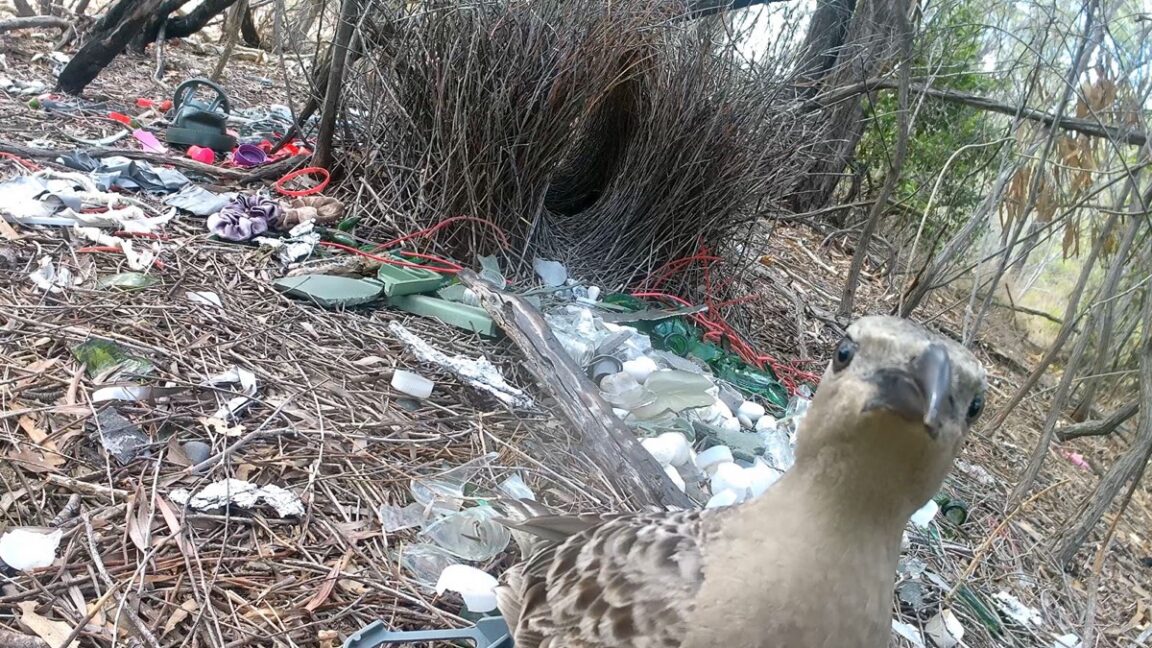
“It’s a reminder of how human activity is changing the natural world in unanticipated ways.” Male bowerbirds are notorious for their complex mating rituals. They build intricate…