Chile's Atacama Desert is one of the darkest places on Earth. But now the light is intruding
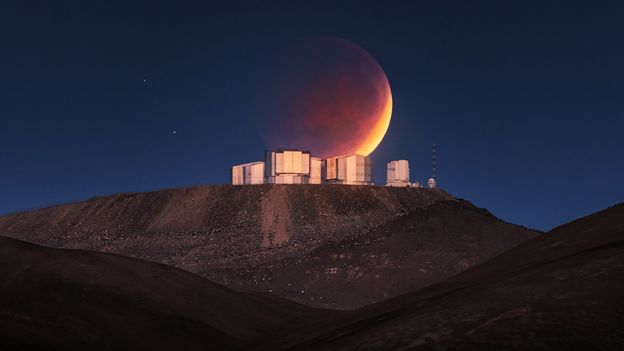
This remote desert in South America is one of the best places in the world for astronomy, but the slow encroachment of artificial light threatens that. It is a sign of just how inescapable light pollution now is. It's 2:00 in Chile's Atacama Desert, and I wake up in the dark. Inside my room, it's the kind of black where you don’t know if your eyes are open or shut. I reach for my phone, hoping for some light to orient myself. But then I remember where I am. Instead, I edge towards my room's back door, which leads directly out onto the desert floor. My feet step from smooth tiles to the crunch of dry rock and sand. Outside the landscape is silent, but the stars above are incandescent – the sky is nothing short of complete. Here, in this wilderness, keeping the lights off has spectacular rewards. "There are very few places on Earth with these conditions," says Itziar de Gregorio-Monsalvo, a senior astrophysicist with the European Southern Observatory in Chile. Astronomers like her flock to this remote part of the Atacama Desert precisely for the view I'm enjoying. But every year, artificial light from nearby cities, industrial complexes and mining operations are clouding the sky. Res
Source: For the complete article, please visit the original source link below.