← All storiesTechnologyDeveloping story

How to avoid getting scammed online in 2026

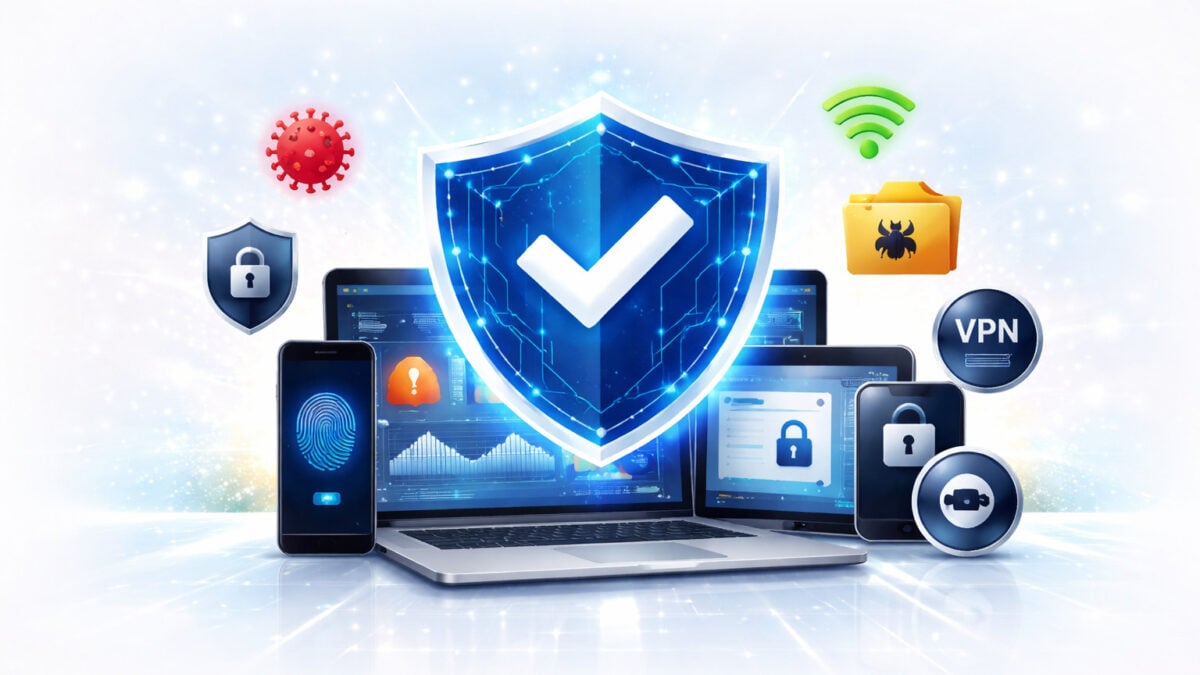
If there’s anything last year’s Qantas data breach has taught us, it’s that your online information isn’t as secure as you think it is. While you may think you’ve secured your digital footprint by using ‘strong’ passwords or switching to incognito mode, there’s a world of online trackers and threats waiting for one slip-up to weasel their way onto your devices. And unfortunately, slip-ups do happen from time to time. Before you purchase with your card details or enter your shipping address, we at PCMag have a couple of tips to make sure your data is secure while browsing online: Though this seems pretty obvious from the outset, remembering to regularly change your passwords is harder than you think—especially when you’re one to forget easily. Yet, the first and best way to maintain your security is to switch up your credentials every few months. If you often struggle thinking of a strong password, you can always rely on Bitdefender’s Password Manager to store or generate a password mixed with letters, numbers, and symbols. Your online security will be stronger than ever. Using phishing emails or links to infect your devices is a hackers’ favourite way to get your personal details.

1
updates in timeline
1
distinct sources
1 day
story span
Mar 16, 2026
latest update

Mar 16, 2026 → Mar 16, 2026

KEY PEOPLE, ORGS & TOPICS
LATEST DEVELOPMENT
Mar 16, 2026·MashableT2 · Outlet report
How to avoid getting scammed online in 2026

If there’s anything last year’s Qantas data breach has taught us, it’s that your online information isn’t as secure as you think it is. While you may think you’ve secured your digital footprint by using ‘strong’ passwords or switching to…

Read original at Mashable →
ACTIVITY · UPDATES PER MONTH
Mar 26

1 updates from 1 source.

Showing 1 of 1 updates

Timeline (1 updates)

March 2026

1 update
Mar 16, 2026·MashableT2 · Outlet reportLATEST
How to avoid getting scammed online in 2026

If there’s anything last year’s Qantas data breach has taught us, it’s that your online information isn’t as secure as you think it is. While you may think you’ve secured your digital footprint by using ‘strong’…

Read original at Mashable →

Sources & evidence (1)

What this story stands on. Tier 0 is a primary record or the subject's own words; higher tiers must be attributed, never stated as bare fact.

T2 · Outlet report× 1
COVERAGE BY SOURCE
Mashable 1
STRONGEST EVIDENCE
T2 · Outlet reportMashableMar 16, 2026

If there’s anything last year’s Qantas data breach has taught us, it’s that your online information isn’t as secure as you think it is. While you may think you’ve secured your digital footprint by using ‘strong’ passwords or switching to…

View source →

Tier key: T0 = Primary source · T1 = Wire · T2 = Outlet report · T3 = Commentary

Related stories