US Visa Ban Hits Judge at Center of Chinese Port Dispute in Peru
The Trump administration’s decision to revoke the visa of a Peruvian judge who sided with a Chinese company in a port dispute puts a new spotlight on the growing US-China rivalry…
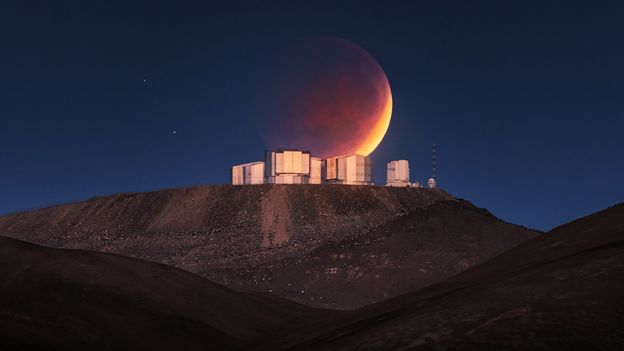
This remote desert in South America is one of the best places in the world for astronomy, but the slow encroachment of artificial light threatens that. It is a sign of just how inescapable light pollution now is. It's 2:00 in Chile's Atacama Desert, and I wake up in the dark. Inside my room, it's the kind of black where you don’t know if your eyes are open or shut. I reach for my phone, hoping for some light to orient myself. But then I remember where I am. Instead, I edge towards my room's back door, which leads directly out onto the desert floor. My feet step from smooth tiles to the crunch of dry rock and sand. Outside the landscape is silent, but the stars above are incandescent – the sky is nothing short of complete. Here, in this wilderness, keeping the lights off has spectacular rewards. "There are very few places on Earth with these conditions," says Itziar de Gregorio-Monsalvo, a senior astrophysicist with the European Southern Observatory in Chile. Astronomers like her flock to this remote part of the Atacama Desert precisely for the view I'm enjoying. But every year, artificial light from nearby cities, industrial complexes and mining operations are clouding the sky. Res
May 29, 2026 → May 29, 2026
This remote desert in South America is one of the best places in the world for astronomy, but the slow encroachment of artificial light threatens that. It is a sign of just how inescapable light pollution now is. It's 2:00 in Chile's…
Read original at BBC →1 updates from 1 source.
This remote desert in South America is one of the best places in the world for astronomy, but the slow encroachment of artificial light threatens that. It is a sign of just how inescapable light pollution now is. It's…
Read original at BBC →What this story stands on. Tier 0 is a primary record or the subject's own words; higher tiers must be attributed, never stated as bare fact.
This remote desert in South America is one of the best places in the world for astronomy, but the slow encroachment of artificial light threatens that. It is a sign of just how inescapable light pollution now is. It's 2:00 in Chile's…
View source →Tier key: T0 = Primary source · T1 = Wire · T2 = Outlet report · T3 = Commentary
The Trump administration’s decision to revoke the visa of a Peruvian judge who sided with a Chinese company in a port dispute puts a new spotlight on the growing US-China rivalry…
Subscribe to CNN Press Room Email Updates Washington, DC – (May 28, 2026) – As America marks a momentous 250 years of independence, CNN will broadcast an expansive slate of…
An unusual collection of stars may represent the remnants of a dwarf galaxy that the Milky Way devoured about 10 billion years ago. Astronomers have dubbed the ancient galaxy…
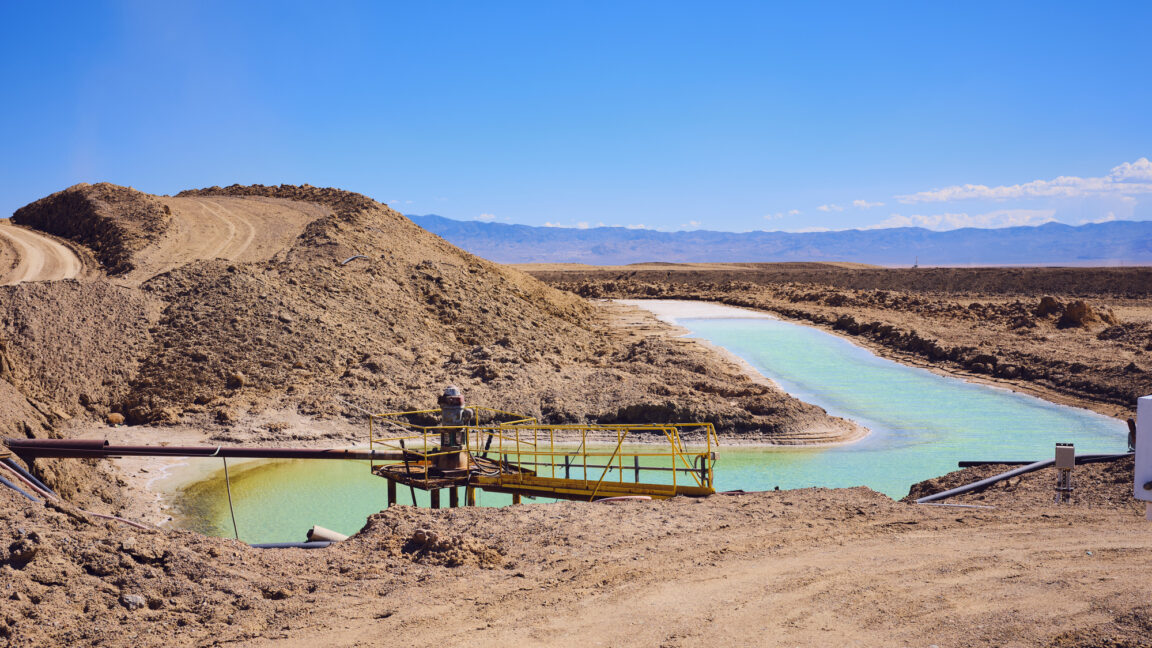
If it scales up, it can help us diversify our sources of a key element. While we make batteries based on many different chemistries, nothing has approached the massive scale at…
It's the day before the Third Quarter, so the Moon is closer to 50% illuminated. During this phase of the lunar cycle, the Moon is only half lit again, but this time it’s the…
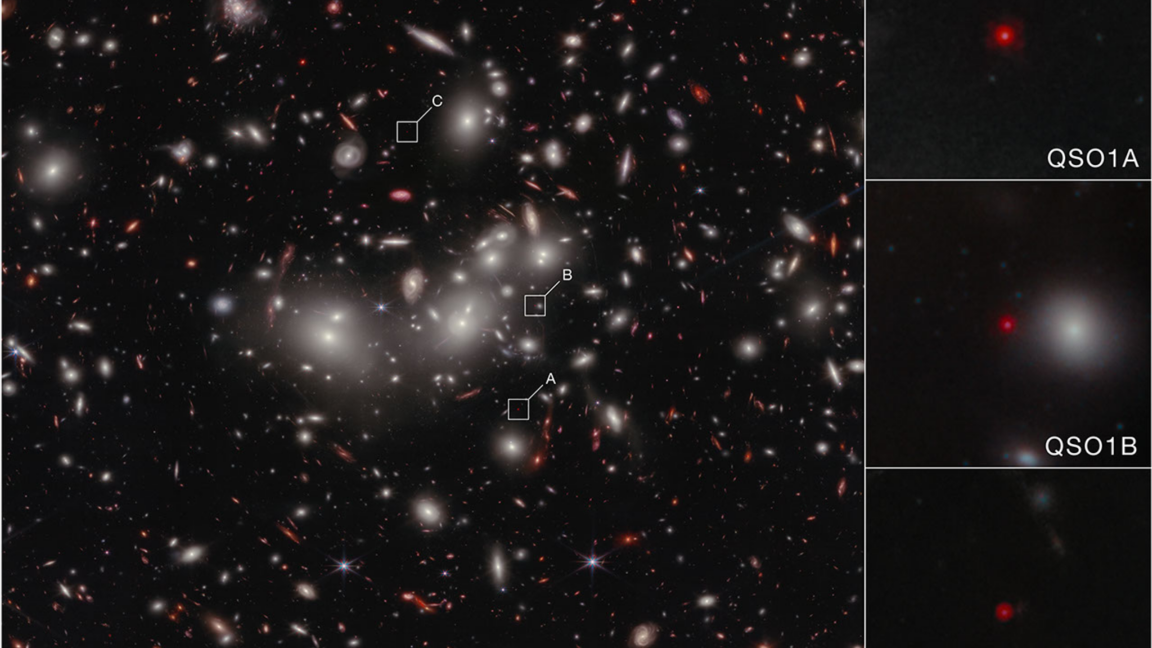
The black hole accounts for over two-thirds the mass of the object it inhabits. The James Webb Space Telescope (JWST) was designed to give us the ability to look at one of the…